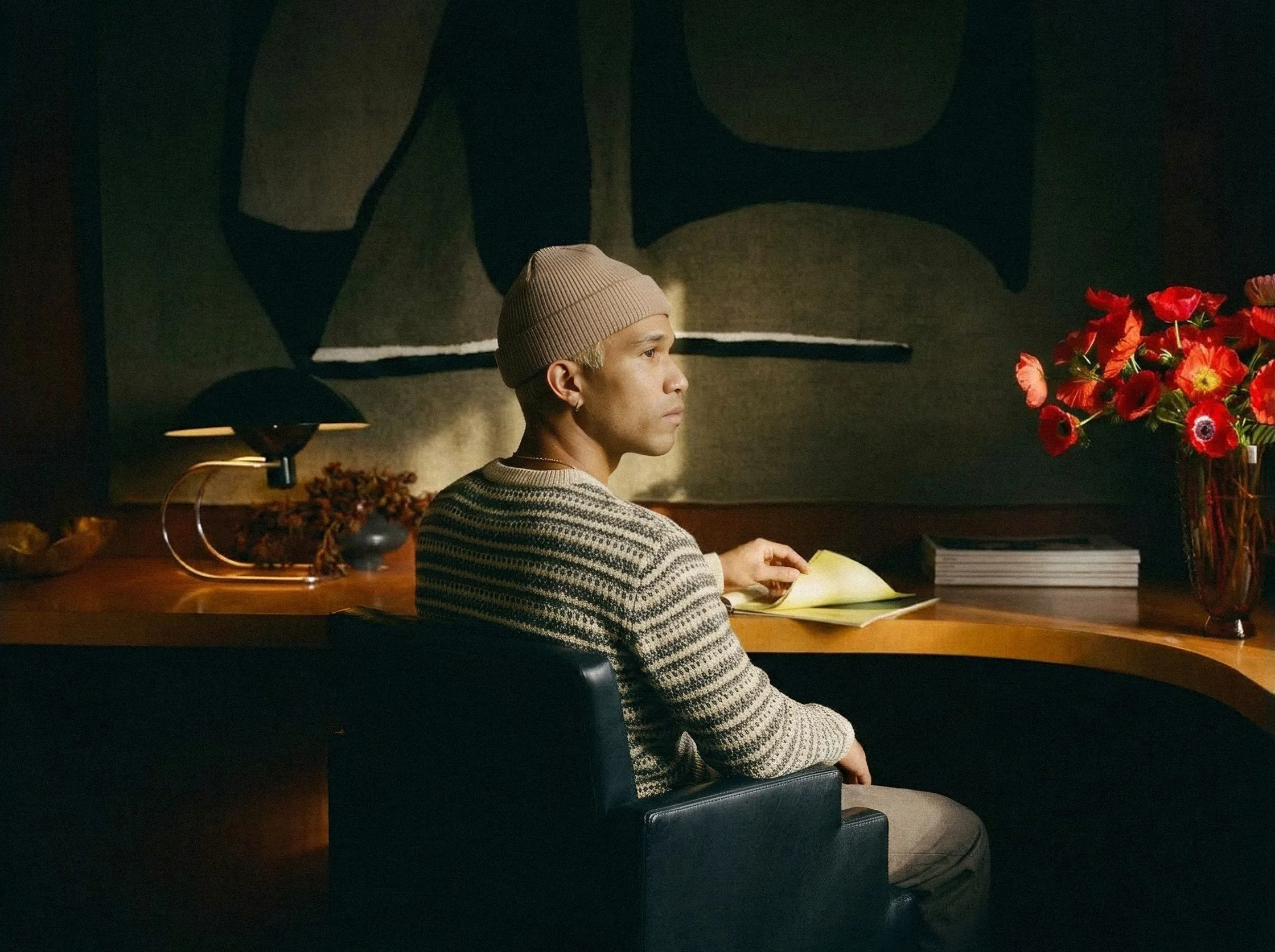
Back in April we launched Sabi, a beanie that reads your brain and types what you're thinking, without any implant or surgery. We particularly took part in its GTM & distribution strategy.
Here's roughly what the launch did:
8.4M+ views across the thread
3M of those in under 2.5 hours, which I think is a record for us
the news of the day on X inside the first 60 minutes
a Wired cover the same morning
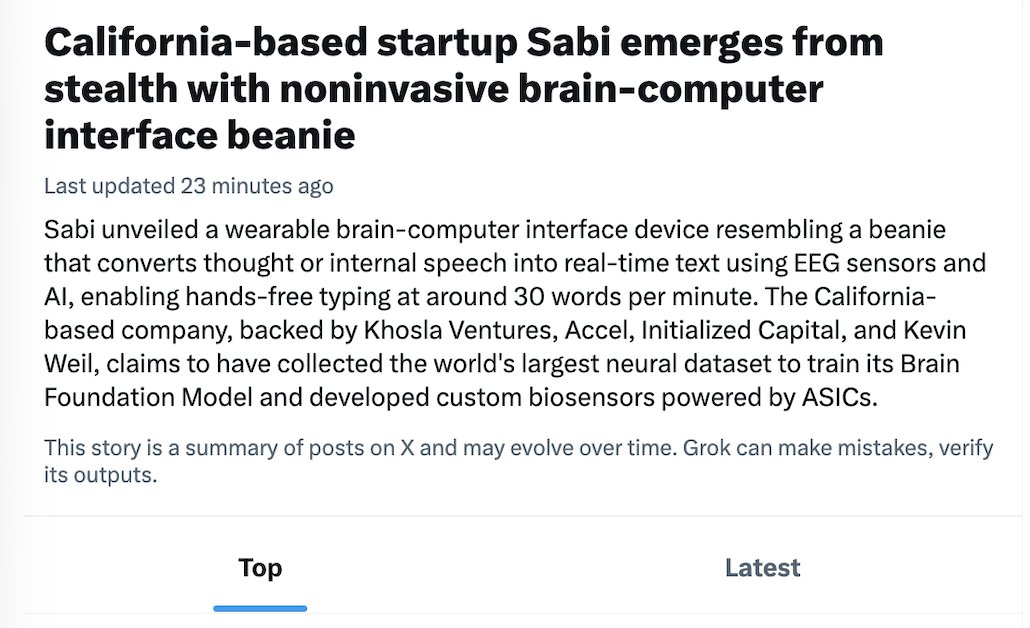
The X post drove investor inbound. The LinkedIn post, a day later, drove more media inbound. I'll get to that part, because I think LinkedIn is the part most people sleep on.
Here's how we did it, and which parts I'd repeat for our future launches at launchvideo.com.
It helps to start with a product people can't ignore
I'll be honest about the biggest factor first. Sabi had incredible virality built into it. A beanie that reads your thoughts will get people to stop scrolling, argue about, and tag their friends. Not every product has that, and pretending otherwise would be dishonest.
So a lot of what follows worked because the product did half the job for us.
Write the copy so a third grader gets it
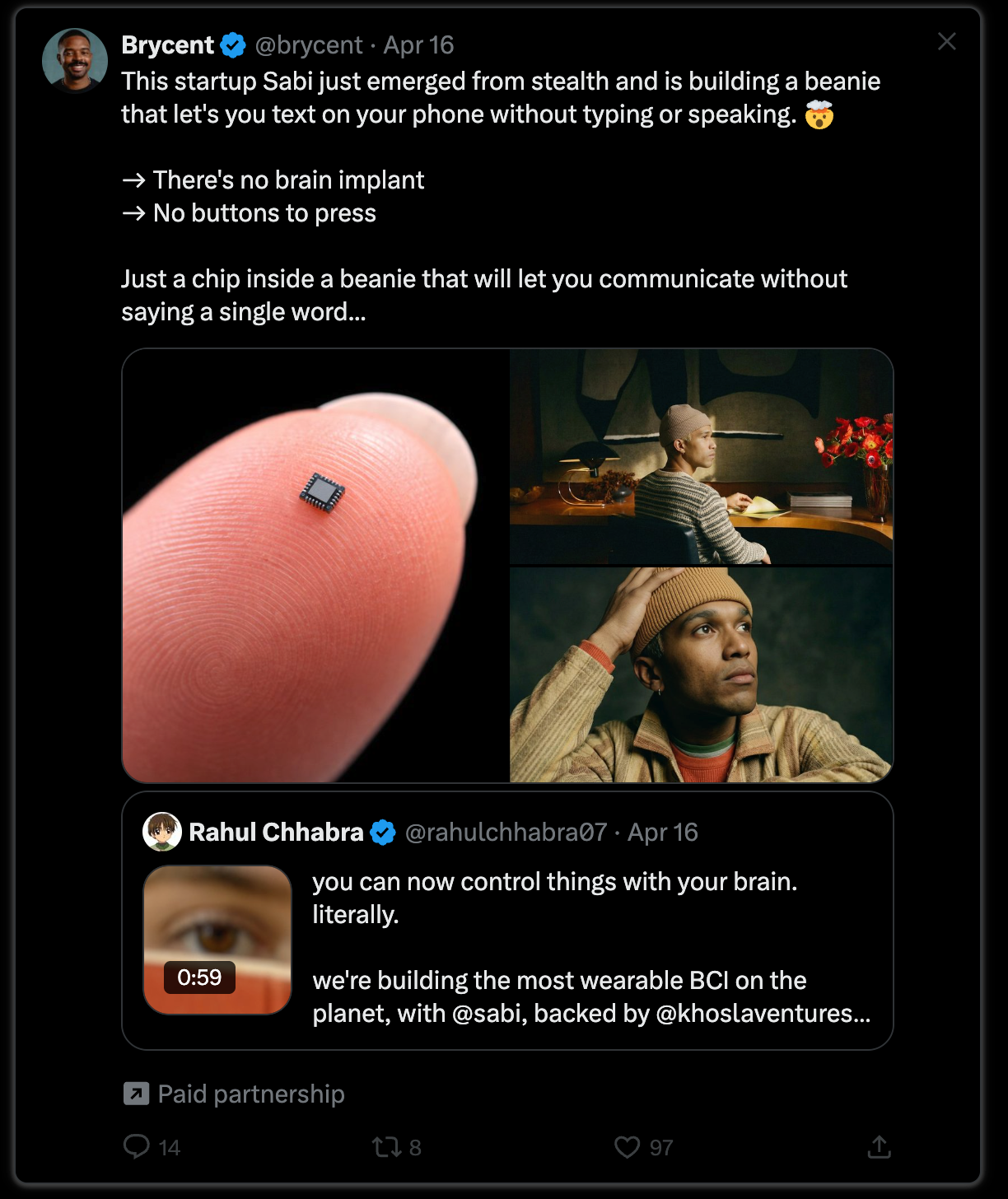
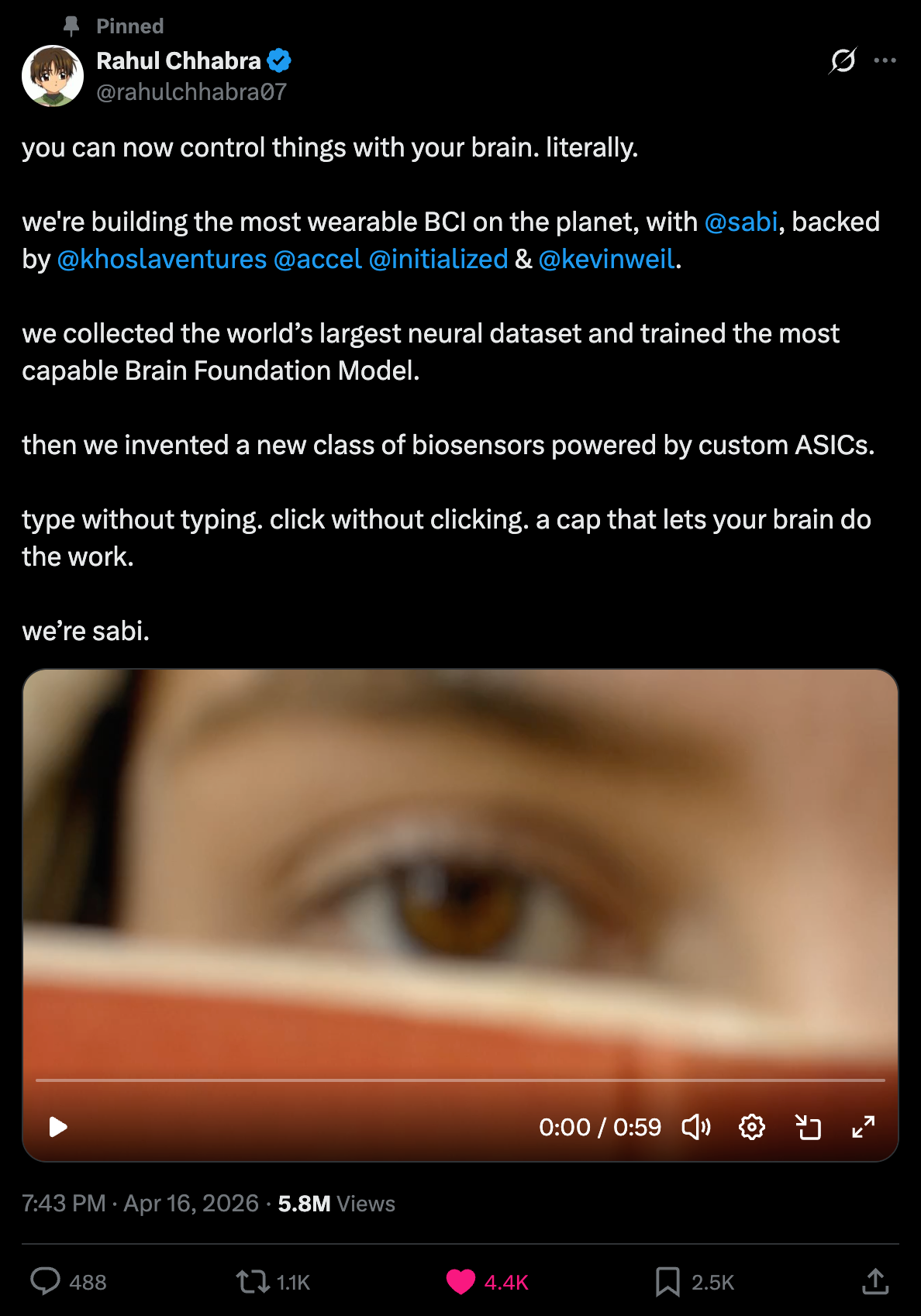
The launch post opened with this:
"you can now control things with your brain. literally."
That's the entire first line. We avoided "neural decoding foundation model" and saved the technical stuff for later in the post.
Simple copy is underrated in a launch. Everyone has an attention deficit right now, and it has nothing to do with how smart they are. Your potential buyer could be a person on your timeline half-watching the video while they read your post.
If a third grader can't tell what your product does from the first line, rewrite the first line.
Build the creator list around the product
We put together a tailored list of creators with a track record on BCI and hardware content. People whose audiences already care about this stuff and trust their opinion on it.
That matters a lot more than the reach a creator gets. When the launch hit those feeds, it felt native, as if it's something the creator would have posted anyway, instead of an ugly paid promo that says "Great share!".
A smaller account with the right audience beats a huge account with a random one almost every time when we're talking about conversion.
The meme accounts (the one I'd normally talk you out of)
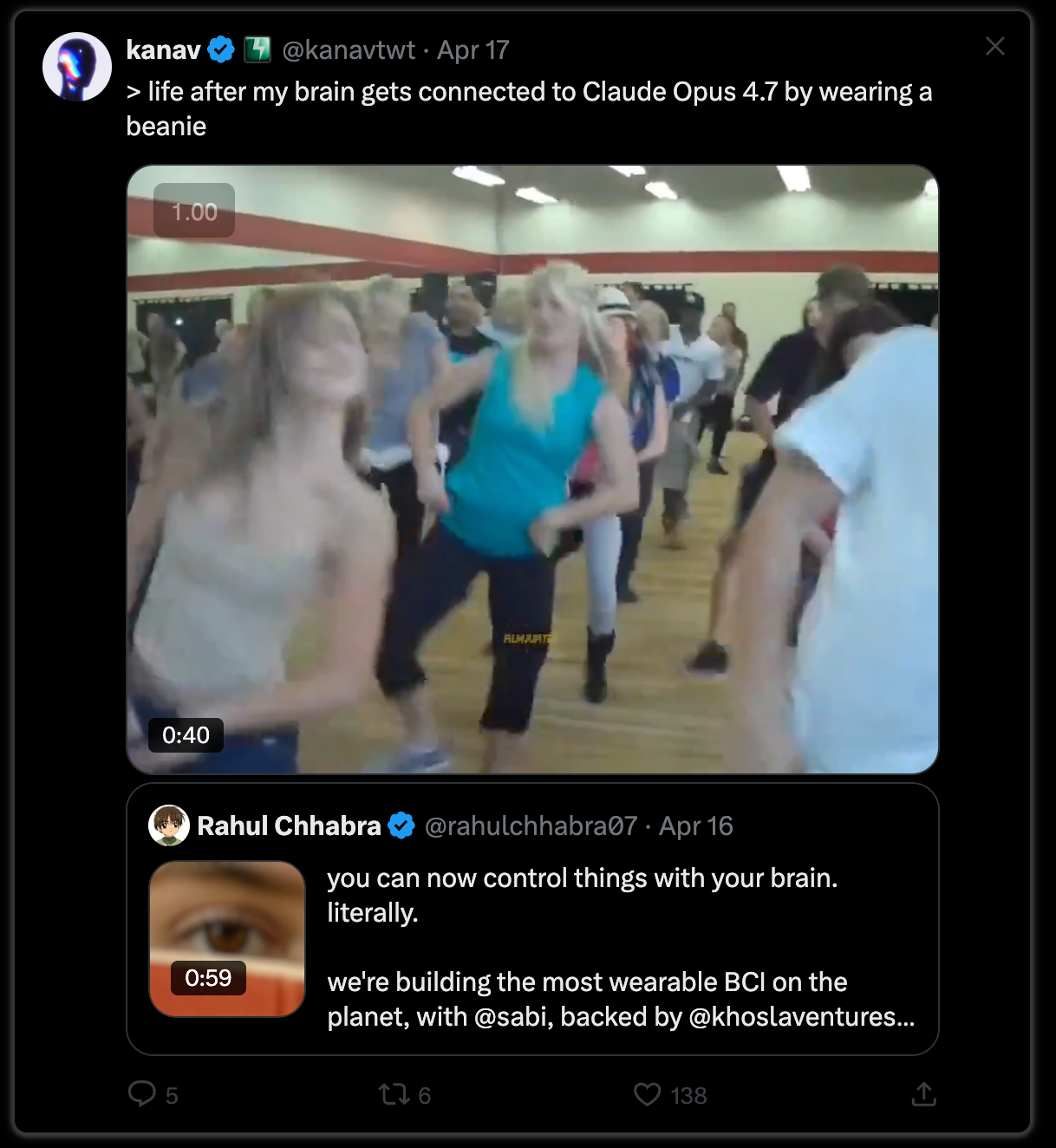
Here's the move I went back and forth on. We got meme accounts to quote-tweet and comment.
Normally I'd never recommend this. Meme accounts don't read as serious, and for most B2B launches they're not right for optics. But for a consumer product with this much built-in virality, they're some of the best accounts you can have. Their pages are built on making things go viral, and news such as a brain-reading beanie is what their audiences are used to anyway.
For the right product, meme accounts can be rocket fuel. For the wrong one, they'll make you look unserious.
Paid tags did not dent the reach (and I want to clear this up)
Every creator we worked with used proper paid partnership tags. All of them.
There's a common belief that the paid tag tanks your reach, so people hide it. I think that's mostly wrong, and Sabi is a good example, because the posts still went viral.
My read is that the tag itself barely matters. What kills reach is boring, corporate, PR-speak copy. Ours was vibey and felt natural, so the label didn't harm us.
Label your paid posts. You can be fully honest and still go viral. We've written before about how the influencer game gets a bad name the second people start hiding these things, and this is the happy flip side of that.
Your own network does more of the work than you think
This is the part founders underrate the most.
Getting Sabi's own investors to engage was HUGE. When Khosla engages with your launch, everyone else knows that this is worth paying attention to.
Your organic network, your investors, your team, your friends, does a massive amount of the heavy lifting in the first few hours of the launch. I'd argue it matters more than the influencer amplification.
It helped that Khosla was already on record in Wired: "If you're going to have a billion people use BCI for access to their computers every day, it can't be invasive."
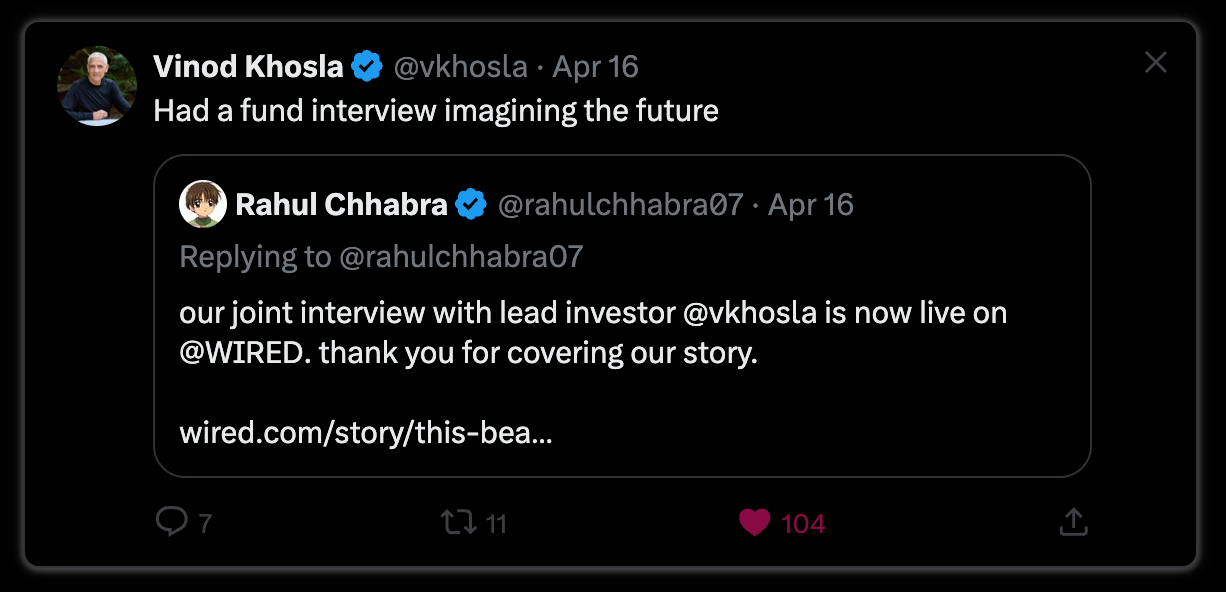
When your lead investor is publicly bought in, getting him to show up on launch day is the easiest yes in the world, and it moves the needle.
We worked the replies in real time
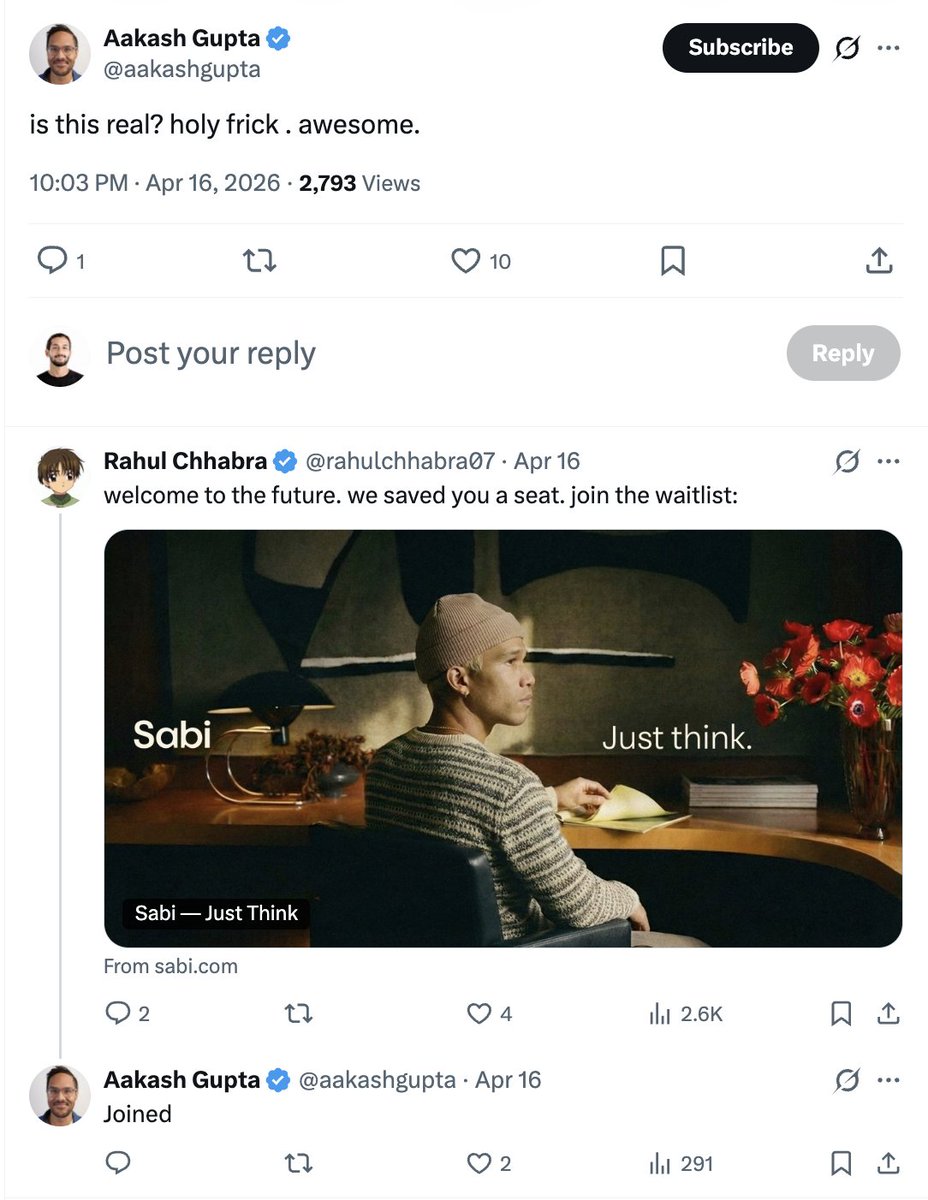
With permission, we engaged with the comments and quotes from the meme accounts and influencers live, as they went up.
This sounds small and it really isn't. Every reply and quote you engage with pulls more impressions into the thread, and those aggregate. So instead of one post doing numbers, you get a whole thread doing numbers together. A launch is a conversation, and we treated it like one all morning.
The X and LinkedIn combination
Most people think of a launch as purely an X thing. Or over-index on LinkedIn and forget X. We ran it as two launches.
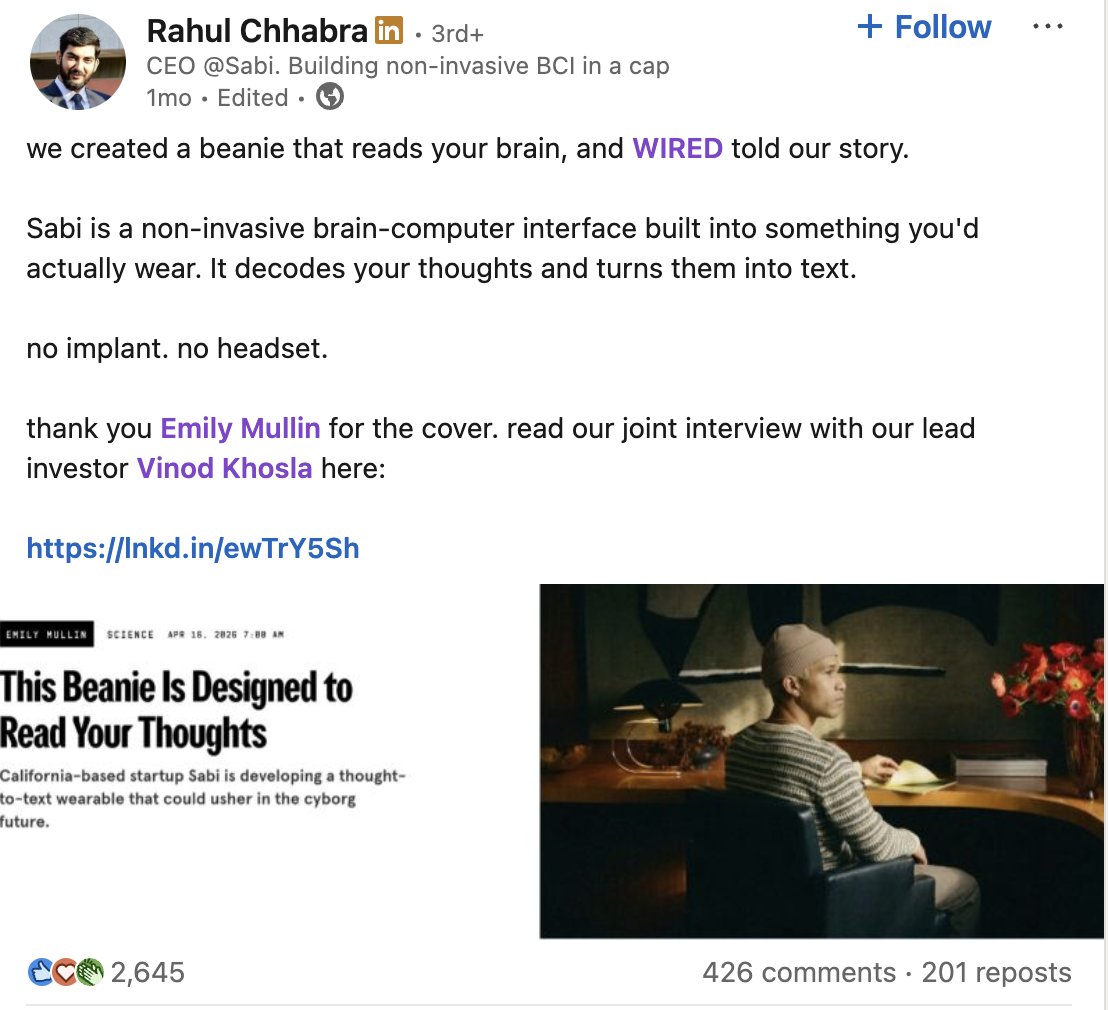
The X post on day one was built for reach, and it drove investor inbound. The next day we posted on LinkedIn with a completely different job to do: amplify the Wired story. That post was more polished, it thanked the Wired writer, and it sent people to the joint interview with Khosla.
The LinkedIn post drove media inbound. Different platform, different audience, different result. We handle LinkedIn too, and for a launch like this it pulled in press and other folks that X does not always serve.
If you only ever launch on X, I think you're leaving half the value on the table depending on what your product is.
So what would I actually repeat?
Almost all of it. The simple copy, the native-style creator list, working the replies live, activating the founder's network, and running X and LinkedIn as two different plays. Those work on every launch.
The meme-account play is the one with an asterisk. It only works when the product is inherently viral, and Sabi was about as viral as a product gets.
8.4M+ views across the thread, 3M of them inside 2.5 hours, a Wired cover, and inbound from both investors and press. Not bad for a hat.
Anyway, this is what we do at launchvideo.com for a living.